
Across Australia, communities are increasingly embracing recycling not just as an environmental responsibility but as an opportunity for economic growth and innovation. In regional areas, programs dedicated to scrap metal Emerald recycling demonstrate how small actions can make a major impact. By transforming old metal into reusable resources, both individuals and businesses help reduce landfill waste, conserve energy, and support local industries.
What was once considered junk has become a valuable part of a circular economy. From old appliances and construction materials to industrial offcuts, scrap metal can be collected, processed, and reborn into new products—extending its lifecycle and reducing the need for raw resource extraction.
What Counts as Scrap Metal?
Scrap metal refers to discarded metal items that retain value even after their original use. When properly sorted and recycled, these materials are melted down and reformed into new products, minimizing environmental impact and saving energy.
The most common recyclable metals include:
- Steel: The most widely recycled metal, used in everything from building frames to tools and vehicles.
- Aluminium: Found in cans, window frames, and machinery parts; it’s lightweight, versatile, and endlessly recyclable.
- Copper: A valuable conductor of electricity, often reclaimed from wiring, plumbing, and old electronics.
- Brass and Bronze: Common in fixtures and decorative elements, these metals are easily reusable.
- Iron and Tin: Often sourced from older machinery and home appliances.
Proper sorting of these materials improves processing efficiency and maximizes their resale value.
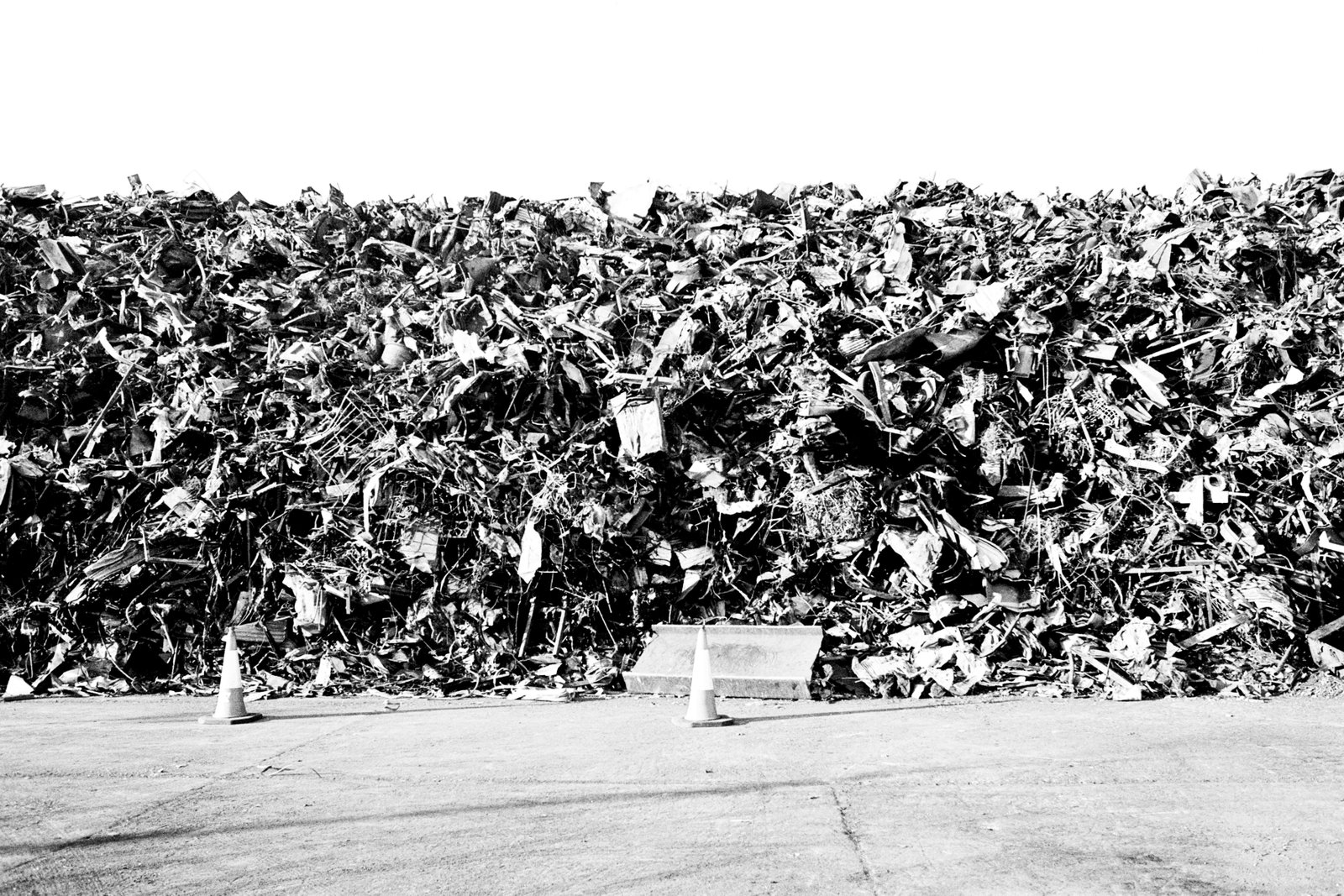
The Economic Advantages of Scrap Metal Recycling
Recycling scrap metal is far more than a green initiative—it’s a powerful economic driver. Every tonne of metal recycled helps stimulate regional industries, creates local jobs, and reduces the cost of producing new goods.
Some of the key economic benefits include:
- Job Creation: Recycling centers, collection services, and processing facilities all contribute to employment in local communities.
- Reduced Manufacturing Costs: Using recycled metal requires less energy than producing metal from raw ore, lowering production costs for manufacturers.
- Revenue Generation: Individuals and businesses can earn income by selling scrap metal to licensed recyclers.
- Support for Local Businesses: Regional recycling programs keep money circulating within the community rather than sending resources elsewhere.
By turning scrap into profit, the recycling process supports both households and industries while contributing to a more sustainable economy.
Environmental Benefits of Recycling Metals
Recycling metals isn’t just about economics—it’s a vital part of protecting the planet. Each piece of reclaimed metal reduces strain on natural ecosystems and lowers greenhouse gas emissions associated with mining and manufacturing.
Key environmental advantages include:
- Conservation of Resources: Recycling eliminates the need for new mining, preserves habitats, and reduces deforestation.
- Lower Carbon Emissions: Melting and reforming existing metals uses significantly less energy than producing new ones from ore.
- Waste Reduction: Diverting scrap from landfills reduces soil contamination and water pollution.
- Energy Efficiency: Producing recycled aluminum, for example, uses up to 95% less energy than refining new aluminum.
- Circular Economy Support: Metals can be reused indefinitely, keeping resources in circulation rather than being discarded.
Through these benefits, metal recycling helps create cleaner, more sustainable communities across regional Australia.
How to Recycle Scrap Metal Effectively
Getting involved in scrap metal recycling is easier than most people realize. Whether you’re clearing out a property, running a workshop, or managing a construction site, following a few simple steps can make a meaningful difference:
- Locate a Recycling Facility: Find a reputable local center that accepts various metals and offers fair compensation for scrap.
- Sort Metals by Type: Separate aluminum, copper, steel, and other materials—sorted loads are more valuable and easier to process.
- Clean the Scrap: Remove dirt, paint, or plastic attachments. Clean metal fetches higher prices and is recycled more efficiently.
- Stay Informed: Many recycling programs offer community workshops and online guides to help you dispose of materials safely and responsibly.
- Deliver Your Scrap: Drop off your prepared materials or arrange a collection service for larger quantities.
These steps help ensure your efforts contribute to both environmental preservation and the regional recycling economy.
Supporting Sustainable Practices
Recycling scrap metal is more than a one-time task—it’s an ongoing commitment to sustainability. By taking part, individuals help reduce waste, conserve natural resources, and strengthen regional economies. Businesses that prioritize metal recycling also enhance their environmental credentials, appealing to customers who value green practices.
In regional communities, these collective efforts build a culture of responsibility. Local recycling programs not only educate residents about sustainability but also inspire the next generation to think differently about waste.
Final Thoughts
Scrap metal recycling offers a simple yet powerful way to support both the environment and the economy. By collecting, sorting, and repurposing discarded metals, individuals and businesses turn waste into opportunity. Every kilogram of recycled material reduces pollution, saves energy, and preserves the planet’s limited resources.
For anyone ready to make a difference, working with trusted local recyclers—like those specializing in scrap metal, Emerald collection, and processing—is the perfect place to start. Together, communities can transform everyday waste into a resource that drives cleaner, smarter, and more sustainable growth.
Recent Comments