
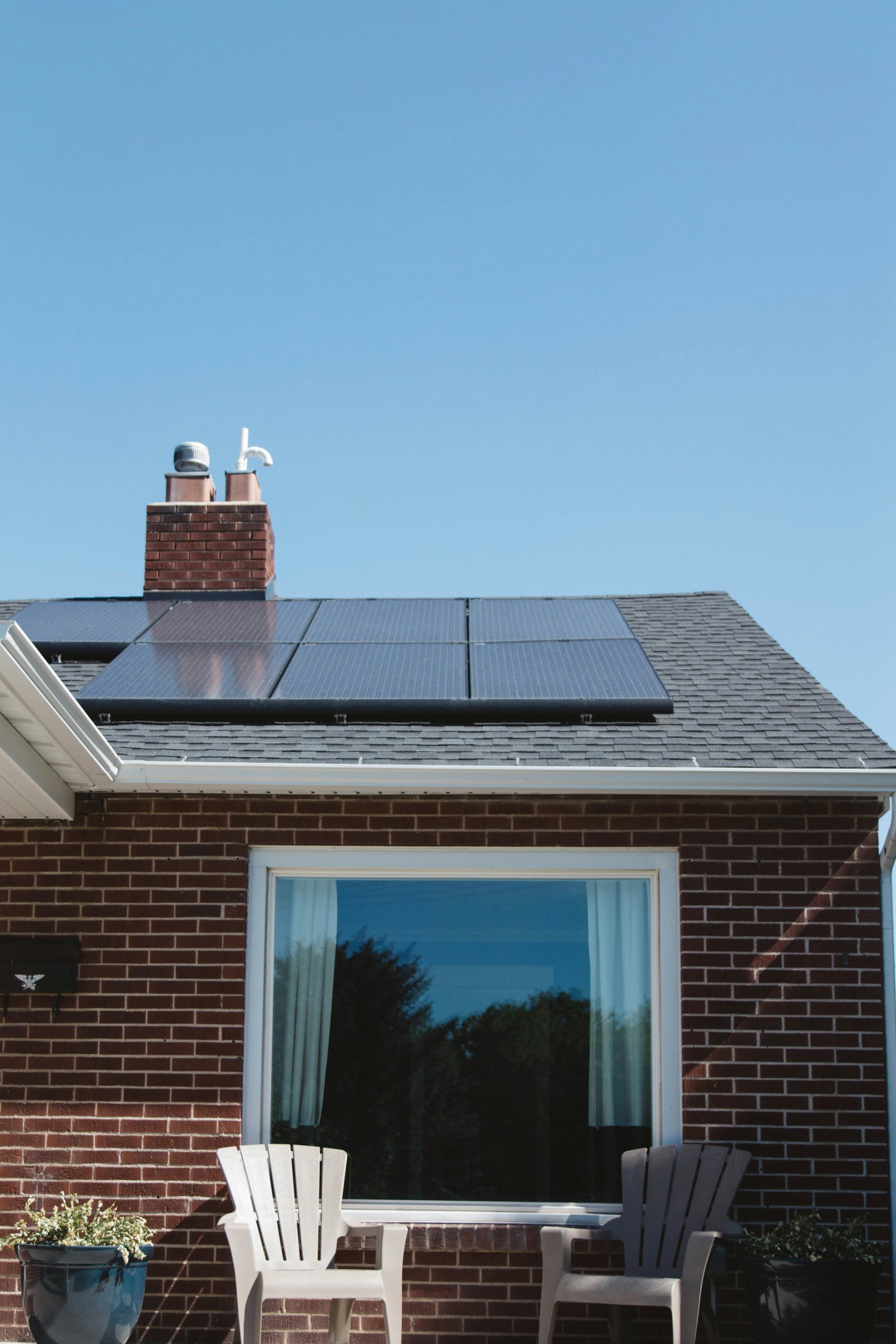
As homeowners look for more innovative and more sustainable ways to power their homes, solar panel installations Dapto have become a leading choice for reducing energy costs and environmental impact. Solar energy is no longer a niche investment or a luxury reserved for eco-enthusiasts — it’s a practical and forward-thinking way to take control of your electricity bills, increase property value, and contribute to a cleaner planet. With advancements in battery storage, efficiency, and affordability, 2025 is the perfect time for homeowners to explore how solar can transform their energy future.
This guide explains what you need to know before making the switch — from how solar panels work and what size system suits your household, to understanding installation, maintenance, and the long-term financial benefits. Whether you’re upgrading your existing setup or taking your first step toward energy independence, this comprehensive overview will help you make confident, informed decisions.
Why Solar Energy Makes Sense in 2025
Electricity prices continue to fluctuate, and many households are seeking ways to gain more stability and predictability in their energy costs. Solar panels let you generate your own clean electricity during the day, reducing reliance on the grid and protecting you from rising energy rates.
Beyond savings, solar systems also increase your property’s value. Homes equipped with modern, high-efficiency solar arrays often attract more buyers and higher offers. Additionally, with government rebates and small-scale technology certificates (STCs) still available in many regions, the payback period for solar systems has never been more appealing — often between three and six years for quality systems.
Most importantly, the technology has matured. Today’s panels offer 25- to 30-year performance warranties, with improved durability and energy conversion rates. Batteries are becoming more affordable, too, allowing homeowners to store daytime energy for nighttime use and achieve near-complete energy independence.
How to Choose the Right Solar System for Your Home
Selecting the right solar system begins with understanding your energy habits. Review 12 months of electricity bills to determine your average daily consumption and identify when you use the most power. If your usage peaks during the day, a standard system between 6.6 kW and 10 kW can cover most household needs. If you plan to add electric vehicles, heating systems, or other power-intensive appliances in the future, consider sizing up to accommodate those changes.
When comparing options, focus on three key components:
- Panels: Look for tier-one panels with robust performance warranties and strong weather-resistance certifications. Higher-efficiency models are beneficial for homes with limited roof space.
- Inverters: convert DC electricity from panels into usable AC power. String inverters are ideal for unshaded roofs, while microinverters or optimizers perform better in shaded or complex layouts. Always check compliance with current standards and aim for at least a 10-year warranty.
- Batteries: Adding a battery increases self-consumption and ensures you can use your stored power during evenings or outages—a capacity of 8-13 kWh suits most households, with modular systems allowing future expansion.
Installation: What to Expect
A professional solar installation follows a structured process to ensure safety and performance:
- Assessment and Design: The installer reviews your roof orientation, space, and shading to design an efficient layout.
- Approval and Permits: Applications are submitted to your electricity network provider for connection approval.
- Installation Day: Roof mounts, panels, and inverters are installed, and all electrical work is tested and certified.
- Commissioning: Once the system is approved, your smart meter is configured for net metering, and the system goes live.
A quality installer will provide documentation, warranties, and access to a monitoring app that displays real-time energy generation and usage data. This transparency helps homeowners track system performance and identify any issues early.
Maximizing Performance and Long-Term Benefits
After installation, monitoring your system is key to keeping it running efficiently. Most inverters and apps show daily energy production — any sudden drops or error messages should be checked by your installer.
For maintenance, natural rainfall usually keeps panels clean, but light cleaning once or twice a year can remove dust or debris that reduces efficiency. Avoid abrasive tools, and if birds or leaves become an issue, consider installing mesh guards around the array.
You can also optimize savings by shifting your energy use. Run appliances like dishwashers and washing machines during daylight hours to take advantage of your own solar generation. For electric vehicles, schedule charging during peak sun hours or connect through a solar-aware charger to maximize self-consumption.
Battery storage further enhances your energy flexibility. It allows you to store excess power for evening use, minimize grid draw, and protect against blackouts — turning your solar setup into a reliable, year-round energy solution.
The Bigger Picture: Investing in Sustainability
Every kilowatt-hour your solar system generates is one less produced by fossil fuels. That means fewer emissions, less strain on the power grid, and a smaller household carbon footprint. On a global scale, widespread adoption of solar technology is a crucial step toward a sustainable, decentralized energy future.
By investing in solar, you’re not just cutting costs — you’re contributing to a cleaner environment and setting an example for responsible energy use. It’s a decision that benefits your wallet, your home, and the planet.
Final Thoughts
Switching to solar power in 2025 is both a practical and ethical investment. Modern systems are efficient, affordable, and designed to deliver decades of performance with minimal maintenance. By choosing trusted professionals and prioritizing quality components, homeowners can enjoy consistent savings, energy independence, and peace of mind. In an era defined by innovation and sustainability, embracing solar technology isn’t just smart — it’s essential. The future is bright, and it’s powered by the sun.
Recent Comments