
Building a new home is one of the biggest investments most people will ever make. From design decisions to construction methods, each choice shapes the outcome in terms of cost, quality, and livability. One of the most important early considerations is whether to build a traditional home or a modular home. Both approaches offer unique advantages, and understanding their differences helps homeowners choose the one that best fits their lifestyle, budget, and timeline. Partnering with experienced builders nowra can make this decision smoother, as they can guide you through the benefits and trade-offs of each option.
Traditional Homes: The Classic Approach
Traditional or “stick-built” homes are constructed entirely on-site. This means the building process happens from the ground up, step by step, in the exact location where the house will permanently stand.
1. Customization and Flexibility
Traditional builds offer near-limitless design freedom. You can collaborate with architects and designers to craft a one-of-a-kind home that reflects your personality and functional needs. Every aspect—from the floor plan to the materials and finishes—can be tailored to your preferences. For homeowners who want a truly unique property, traditional construction remains the top choice.
2. Strong Structural Integration
Because these homes are built as one continuous process, the structural components are integrated on-site. This allows for flexibility during the build—changes can be made along the way if needed. Builders can respond to site-specific conditions, adjust materials, and accommodate special features or unexpected challenges during construction.
3. Long-Term Value and Perception
Traditional homes often convey a sense of permanence and are generally perceived as higher-value in the real estate market. They can hold their value well over time and are built to last, especially when high-quality materials and workmanship are used.
However, this approach also has some drawbacks. Building on-site exposes materials and schedules to weather delays, and costs can escalate if labor or material shortages occur. Construction times tend to be longer, and unforeseen site conditions may increase expenses.
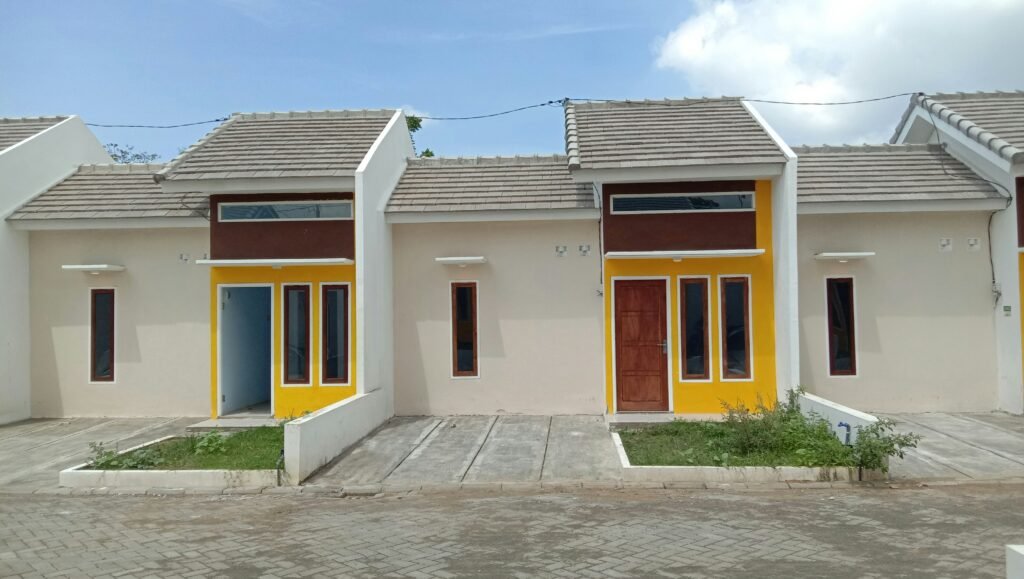
Modular Homes: The Modern Alternative
Modular homes, sometimes called prefabricated homes, are constructed in sections—or modules—in a controlled factory environment. Once completed, these modules are transported to the site and assembled on a prepared foundation.
1. Speed and Efficiency
One of the standout advantages of modular construction is speed. Since most of the work occurs in a factory, it’s unaffected by weather conditions or trade scheduling conflicts. Site preparation and module construction can happen simultaneously, significantly reducing total build time.
2. Cost Predictability and Waste Reduction
Modular homes are built in standardized conditions using precise manufacturing techniques. This approach minimizes material waste and offers more accurate cost forecasting. For budget-conscious homeowners, this predictability provides peace of mind and often results in cost savings compared to traditional builds.
3. Quality and Consistency
Because modular components are built indoors, they’re protected from moisture, dust, and other environmental impacts. Every piece undergoes strict quality control and inspection before it leaves the factory. The result is a home that meets, and in many cases exceeds, traditional building standards.
That said, modular homes have limitations. Customization is more restricted, as designs must conform to transportation and modular manufacturing specifications. Certain architectural details or large, complex layouts may not be feasible. Additionally, while the build itself is fast, approvals, transport logistics, and on-site assembly still require careful coordination.
Key Differences to Consider
| Factor | Traditional Home | Modular Home |
| Construction Time | Typically longer; weather-dependent | Faster; factory-controlled |
| Customization | Fully customizable | Limited to modular designs |
| Cost Control | Can fluctuate with materials/labor | More predictable and efficient |
| Quality Control | Varies by builder and conditions | Consistent, factory-inspected |
| Environmental Impact | More site waste | Reduced waste and energy use |
| Flexibility | Easier to modify mid-build | Changes are harder after production starts |
Ultimately, both options can produce a beautiful, durable home. The right choice depends on your priorities—whether you value speed and efficiency or custom design and flexibility.
Choosing the Right Builder
Whether you choose traditional or modular construction, the builder you work with will determine much of your project’s success. Look for professionals with proven experience in both methods and who can offer honest comparisons. Reputable builders will provide clear timelines, transparent pricing, and thorough communication from concept to completion.
When evaluating builders Nowra, ask about their approach to scheduling, material sourcing, and quality assurance. The best builders will adapt their process to your preferred construction type and ensure the finished home meets all regulatory and performance standards. Building a home, traditional or modular, isn’t just about erecting walls; it’s about creating a space that aligns with your lifestyle, values, and future.
Conclusion
Comparing traditional and modular homes reveals that both can deliver quality, comfort, and value, just in different ways. Traditional homes excel in flexibility and craftsmanship, while modular builds offer efficiency and cost control. The key lies in understanding your goals, timeline, and level of customization. With the right guidance and an experienced builder, your dream home, whether assembled piece by piece or module by module, can become a lasting reality.
Recent Comments