
Searching for dependable plumbers Dubbo can feel like a race against time when water starts pooling across the floor or your hot shower turns icy on a winter morning. Fortunately, there’s no shortage of skilled, licensed professionals who can handle everything from emergency leaks to complete system installations. Understanding what plumbers do, how they price their services, and what you can do to maintain your home’s plumbing can save you time, stress, and money.
This guide outlines the most common plumbing services, what to expect in terms of pricing, and how to choose the right expert for your needs.
What Plumbers Do
Professional plumbers provide a wide range of residential and light commercial services designed to keep your home’s systems running efficiently. These include:
- Repairs: Fixing leaking taps, running toilets, burst pipes, and weak water pressure.
- Drainage: Clearing blocked sinks, showers, and stormwater drains; using CCTV inspections to locate tree roots or damaged sections.
- Hot Water Systems: Installing and servicing electric, gas, solar, and heat pump systems, along with compliance checks and tempering valves.
- Gas Fitting: Installing appliances, adding new gas points, performing safety checks, and testing for leaks.
- Roof and Gutter Work: Addressing roof leaks, replacing downpipes, and maintaining flashing to prevent water damage.
- Renovations: Managing plumbing for kitchens, bathrooms, and laundries, from rough-ins to final fit-offs.
- Rural Systems: Handling tanks, pumps, filters, and septic maintenance for properties outside town centers.
An experienced plumber knows how to adapt to a variety of property types, from heritage homes with older fittings to new builds that use the latest water-efficient systems.
Common Plumbing Challenges
Every region has its own environmental and structural challenges that can affect plumbing systems. Here are some of the most common issues homeowners face:
- Mineral Buildup: Hard water leads to scale in taps, showerheads, and hot water systems, reducing efficiency and lifespan.
- Tree Roots: Older pipes, particularly clay or concrete ones, can crack over time, allowing roots to invade and cause blockages.
- Soil Movement: Expansive soils can shift with changes in moisture, stressing underground pipes and creating slow leaks.
- Storm Damage: Heavy rain or clogged gutters can lead to overflow and water intrusion through the roof or foundation.
- Cold Weather: Freezing temperatures can cause exposed pipes or outdoor taps to split.
Identifying early warning signs such as gurgling drains, unusual water bills, or damp spots on walls can prevent minor issues from escalating.
How to Choose a Reliable Plumber
Selecting the right professional is as much about peace of mind as it is about fixing the problem. Before hiring anyone, consider these steps:
1. Verify Licensing and Insurance
Make sure the plumber holds a valid trade license and carries public liability insurance. These credentials protect you from potential damage or accidents during the job.
2. Check Reviews and References
Word-of-mouth recommendations, online reviews, and references from past customers reveal a lot about a plumber’s reliability. A well-reviewed business is more likely to deliver quality work and fair service.
3. Request Detailed Quotes
Always ask for a written quote outlining labor costs, materials, and call-out fees. For larger projects, request itemized estimates and clarify warranty terms for both materials and workmanship.
4. Understand Guarantees and Warranties
A trustworthy plumber will stand by their work. Ask how long their workmanship is guaranteed and whether product warranties apply to installations like hot water systems or fixtures.
Typical Plumbing Costs
Plumbing prices vary depending on the complexity of the job, materials used, and time of day. While every situation is different, here’s what homeowners can generally expect (in AUD):
- Call-Out Fee: $80–$150, often including the first 15–30 minutes.
- Hourly Rates: $90–$160 during regular business hours; $150–$300 or more for after-hours emergencies.
- Leaking Tap Repair: $80–$150 for labor, plus $40–$200 for replacement parts.
- Blocked Drain: $150–$400 for simple jobs; $400–$800 for jetting or CCTV inspections.
- Toilet Replacement: $250–$450 for labor, plus $250–$900 for the toilet suite.
- Hot Water System Replacement: $1,200–$3,500 depending on type and brand.
- Burst Pipe Repair: $300–$1,000 or more, depending on location and accessibility.
- Roof Leak Repair: $200–$800 based on materials and height of access.
A professional plumber will explain what drives the cost, from difficult access to the quality of fittings and materials.
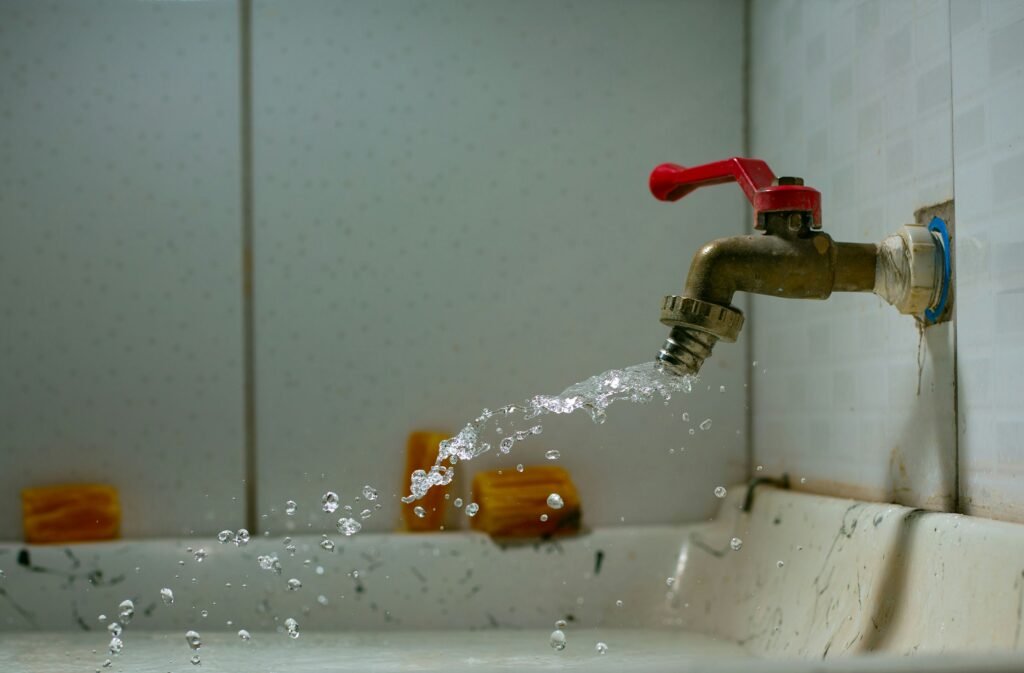
Emergency and After-Hours Services
Plumbing emergencies rarely happen at convenient times. That’s why many plumbers provide 24-hour service for urgent issues such as burst pipes, major leaks, and gas problems.
During an emergency, here’s what to expect:
- Response Times: During peak demand, plumbers prioritize critical issues first, especially where water or gas shutoffs are involved.
- Higher Rates: After-hours fees are typically one-and-a-half to two times the standard rate.
- Safety First: While waiting, turn off your home’s main water supply near the meter. For electrical or gas-related issues, isolate power and avoid ignition sources until help arrives.
Providing a clear description when you call — for example, “water coming through the ceiling” — helps ensure the plumber brings the right tools for the job.
Preventive Maintenance Tips
Regular upkeep helps extend the life of your plumbing system and avoids costly repairs later on. Try these preventive measures:
- Clear gutters and downpipes before storm season to prevent overflows.
- Flush hot water systems annually to reduce mineral buildup.
- Install pressure-limiting valves if water pressure is high in your area.
- Use drain strainers to catch hair and food particles.
- Schedule CCTV drain inspections after repeated blockages to check for root invasion.
- Insulate exposed pipes and taps before winter.
- Service evaporative coolers before summer to prevent roof leaks.
- Consider a water filter or softener if you notice limescale or corrosion.
A simple annual plumbing check-up can catch small issues before they become emergencies.
Final Thoughts
When homeowners need professional help, finding experienced plumbers who combine skill, honesty, and efficiency is invaluable. By verifying licenses, reading reviews, and maintaining your system regularly, you can ensure reliable plumbing all year round.
A skilled plumber doesn’t just fix leaks or replace parts; they help your entire plumbing system run more efficiently and last longer. With preparation and the right professional on call, you can keep your water flowing smoothly — no matter what challenges arise.
Recent Comments